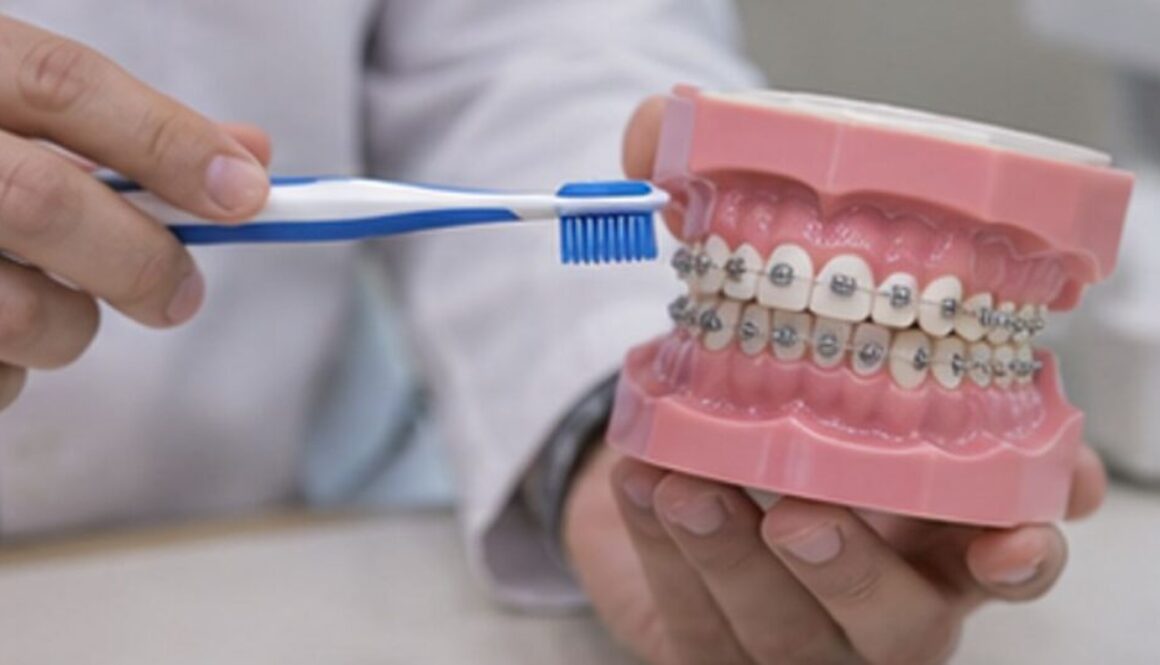
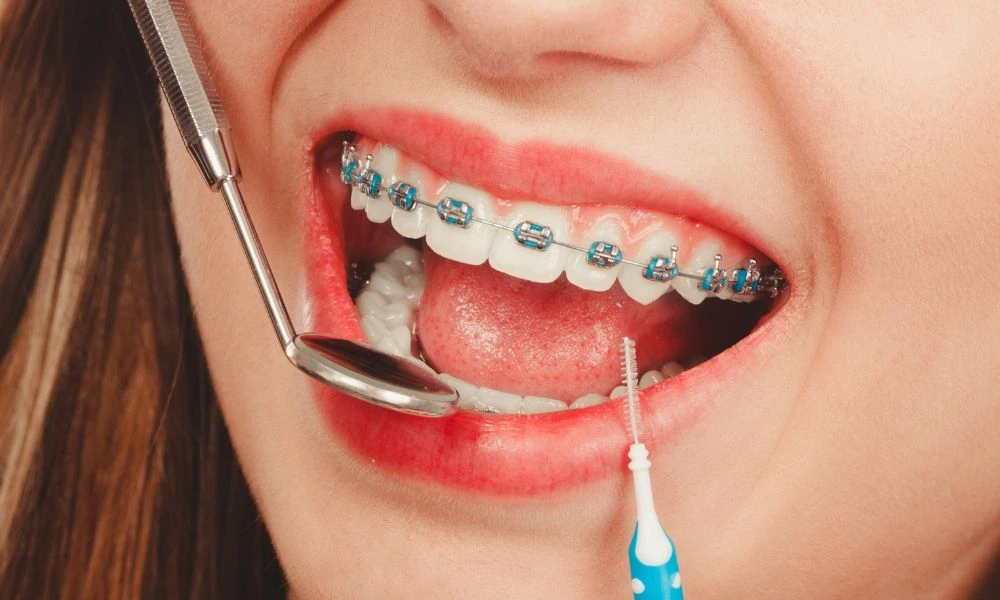
Fixed braces add small spaces where food and plaque can collect. The areas just above and below the brackets are easy to miss when you are brushing in a hurry.
Work around each bracket
Ask your dental team to demonstrate how to angle your brush around the brackets and gum line. A mirror can help you see the areas that need more attention.
If cleaning behind the last bracket is the part you skip most often, bring it up at the next check. Ask the team to demonstrate that section of your routine with the tools you already use.
What to discuss at your orthodontic visit
Choose tools that fit. Your team may recommend an interdental brush or a flossing aid. Ask them to show you the right size and how to use it around the wires without forcing it.
Make the routine easy to repeat. Use the same sequence each time so it is easier to remember the inside surfaces and back teeth. Keep the tools you use together and take a small kit if you are away from home often.
Bring up difficult areas at checkups. If gums bleed or you have trouble reaching a particular spot, show your dentist or orthodontist. Ask for a demonstration using your own brush.
Common questions
Should I keep seeing my general dentist during braces?
Yes. Keep the dental visits recommended for you and tell both teams about any concerns.
What if an interdental brush catches?
Stop forcing it and ask the team to check the size and angle.
Planning an orthodontic visit in Ajman
Bring any previous orthodontic records or appliances relevant to your concern and explain what you’d like to discuss. Visit Relief Medical Center’s Orthodontic Clinic in Ajman department page for clinic and booking details.
A retainer that used to slip into place may suddenly feel tight, lift on one side or fail to seat. Contact your orthodontic team and describe what changed.
Check the appliance visually
Look for visible cracks or distortion. Tell the team if the retainer was exposed to heat, dropped or left unworn for a period. Keep it in its case for the visit.
If only one edge lifts when you try the retainer, tell the team where it lifts. Give the date you last remember it fitting comfortably, even if it’s approximate.
What to discuss at your orthodontic visit
Explain what fit feels like. Describe whether it seats fully, causes pain or has an edge that catches. If you have a fixed retainer, mention any wire that feels loose or any tooth that appears to have moved.
Avoid trying to adjust it yourself. Ask the orthodontic team what to do while you wait for assessment. Avoid forcing a painful retainer into place or attempting to reshape it at home.
What an appointment may involve. Bring the retainer and tell the orthodontist when it last fitted properly. They can check the teeth and appliance and discuss whether it needs repair, replacement or further assessment.
Common questions
What if I lost my retainer?
Contact your orthodontist and tell them when you last wore it.
Can I use an older retainer instead?
Check with your orthodontic team before using an older appliance, especially if it feels different.
Planning an orthodontic visit in Ajman
Bring any previous orthodontic records or appliances relevant to your concern and explain what you’d like to discuss. Visit Relief Medical Center’s Orthodontic Clinic in Ajman department page for clinic and booking details.
Overlapping front teeth can be noticeable in a photo, but you might also notice crowding when floss catches or brushing feels difficult. An assessment looks at how the teeth fit and what you want to change.
Describe the crowding you notice
Show the orthodontist where teeth overlap and tell them whether the position has recently changed. Mention any earlier braces or retainer use.
If one overlap makes it hard to clean between teeth, show the area during the visit. That gives the orthodontist a specific problem to consider alongside your alignment goals.
What to discuss at your orthodontic visit
Look at the full bite. An orthodontist considers the position of the teeth, how much space is available and how upper and lower teeth meet. They may request records to plan the assessment.
Discuss dental and gum health. Mention recent dental treatment or bleeding gums. Your dentist and orthodontist can advise if another dental concern should be addressed before alignment treatment.
Ask how options differ. Ask which approaches are suitable for your situation, what each involves, and how results would be maintained afterward.
Common questions
Can only my lower front teeth be assessed?
Explain what bothers you. The orthodontist may also examine the rest of your bite before advising.
Should I bring an old retainer?
Yes, if you still have it. It can help the team understand your treatment history.
Planning an orthodontic visit in Ajman
Bring any previous orthodontic records or appliances relevant to your concern and explain what you’d like to discuss. Visit Relief Medical Center’s Orthodontic Clinic in Ajman department page for clinic and booking details.
Your first orthodontic consultation is a chance to describe what bothers you about your teeth or bite and to find out which options are worth considering.
Start with your own priorities
Tell the orthodontist if your concern is appearance, difficulty cleaning, a change in your bite or movement after previous treatment. Include what matters most to you about any future care.
If you’re comparing treatment options around school or travel, tell the orthodontist those dates before agreeing a plan. Ask what follow-up visits would involve during that period.
What to discuss at your orthodontic visit
Expect a bite and alignment assessment. The orthodontist may check the position of the teeth and how the upper and lower teeth meet. They may recommend photographs, scans or X-rays according to the assessment.
Discuss options and practicalities. Ask what each option would involve, how visits are scheduled and what daily care would look like. Tell the team about work, school or travel commitments that could affect attendance.
Confirm what happens next. Find out whether you need a further records visit or dental work before a treatment plan can be finalised. Ask for a clear explanation of any fees and proposed follow-ups.
Common questions
Can I bring a previous treatment plan?
Yes. Bring any records or appliances that may be relevant.
Will appliances be fitted at the first visit?
Ask when booking. The first visit typically focuses on assessment and discussing what comes next.
Planning an orthodontic visit in Ajman
Bring any previous orthodontic records or appliances relevant to your concern and explain what you’d like to discuss. Visit Relief Medical Center’s Orthodontic Clinic in Ajman department page for clinic and booking details.
Months or years after braces, you may notice a small overlap that was absent when treatment ended. If your retainer feels different or you can see a change, tell your orthodontist when it started.
Why alignment can change
Teeth may shift after treatment. Your orthodontist may recommend a retainer to help maintain alignment and provide a schedule suited to your treatment.
If you noticed movement only after your retainer stopped fitting, write both events down. Tell the orthodontist if the appliance was lost, cracked or left out for longer than usual.
What to discuss at your orthodontic visit
Check the retainer history. Tell the team if wear has been interrupted or a fixed retainer feels loose. Bring removable retainers, even if they no longer fit comfortably.
Notice where the change is. Describe a space, overlap or change in your bite and when you first saw it. Photos from when braces came off may help show the difference if you have them.
Plan a review. Your orthodontist can check how the retainer fits and whether your teeth have shifted. Ask about repair, replacement or further assessment based on their findings.
Common questions
Should I force my old retainer back on?
Ask for advice if it does not seat properly or causes pain. Bring it to the appointment.
Does every change need more braces?
The next step depends on the examination, the amount of movement and your goals.
Planning an orthodontic visit in Ajman
Bring any previous orthodontic records or appliances relevant to your concern and explain what you’d like to discuss. Visit Relief Medical Center’s Orthodontic Clinic in Ajman department page for clinic and booking details.
Parents often notice a new adult tooth coming through at an angle and wonder whether to wait. An early orthodontic check can help you understand how your child’s teeth and bite are developing.
When to ask for a first check
The American Association of Orthodontists recommends a first check by age seven. A dentist may suggest an earlier review if they notice a concern.
If a new adult tooth seems to be coming through behind a baby tooth, mention which area you noticed and when. Bring the concern to the first visit even if your child says it feels fine.
What to discuss at your orthodontic visit
What the orthodontist looks at. They can review which baby and adult teeth are present and how the upper and lower teeth fit together. They may ask about habits, chewing and any earlier dental concerns.
What to mention as a parent. Explain whether your child avoids chewing on one side, finds it hard to bite certain foods or has trouble cleaning around an overlapping tooth. Bring any earlier advice you received.
What happens after the check. Ask whether your child needs monitoring, a further assessment or a discussion about treatment. An early visit can simply establish when to check again.
Common questions
Does a first check mean braces start straight away?
Many children are monitored first. Ask what the orthodontist saw and why they recommend the next step.
Can I bring previous dental records?
Yes. Bring available X-rays or advice from your child’s dentist if the clinic asks for them.
Planning an orthodontic visit in Ajman
Bring any previous orthodontic records or appliances relevant to your concern and explain what you’d like to discuss. Visit Relief Medical Center’s Orthodontic Clinic in Ajman department page for clinic and booking details.
Braces or Clear Aligners? How to Choose the Right Option for Your Lifestyle
A straighter smile can improve more than the appearance of your teeth. Properly aligned teeth can also make everyday cleaning easier and help improve your bite. When it comes to getting braces, you might be asking yourself whether you should go with traditional metal braces or invisible aligners. Both options gradually move teeth into better positions, but they work differently and suit different dental needs. By knowing the difference between them, one can easily prepare for an orthodontic consultation and decide which will suit them best.
At Relief Medical Center, Ajman, patients can seek professional guidance about orthodontic care and the treatment options appropriate for their dental needs.
Braces vs Clear Aligners: What Is the Difference?
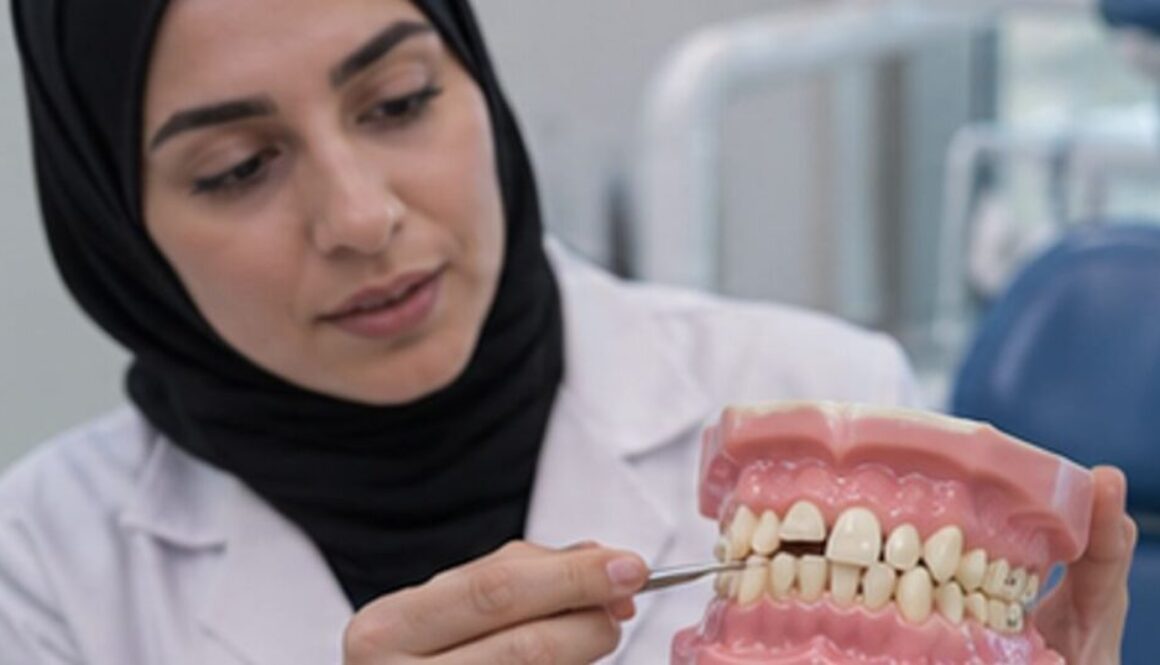
When comparing braces vs clear aligners, the main differences involve appearance, maintenance, daily habits and the type of tooth movement required. Braces come in a traditional form where the brackets are affixed on the teeth, and they are linked with the use of wires. The orthodontist adjusts the appliance throughout treatment to guide teeth into their planned positions.
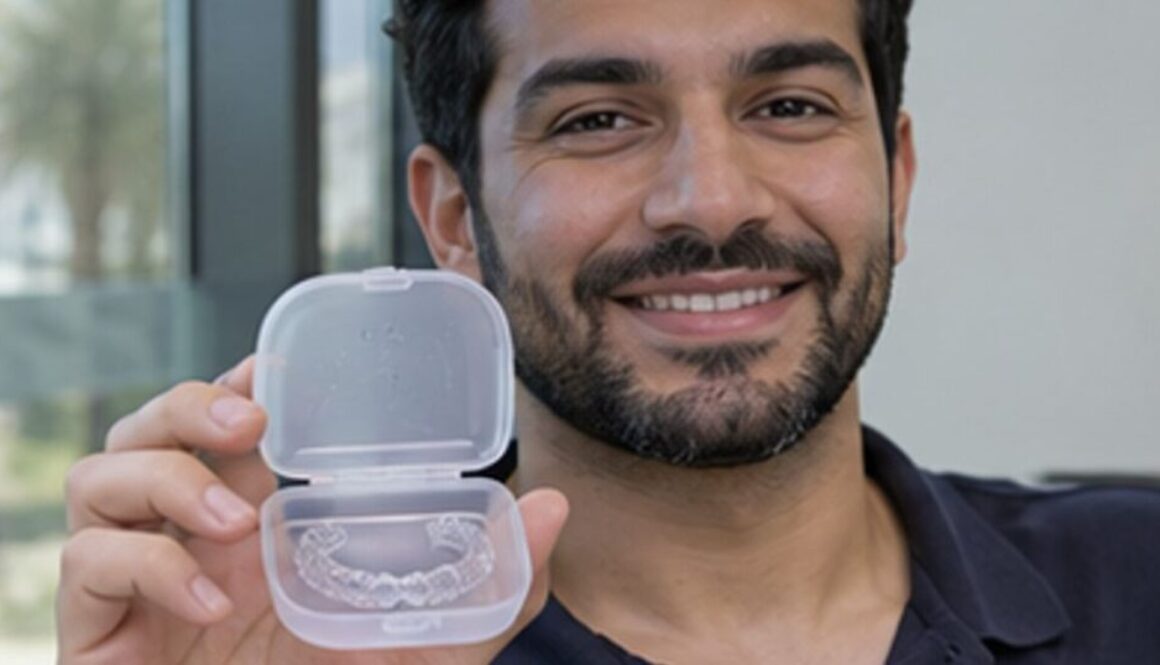
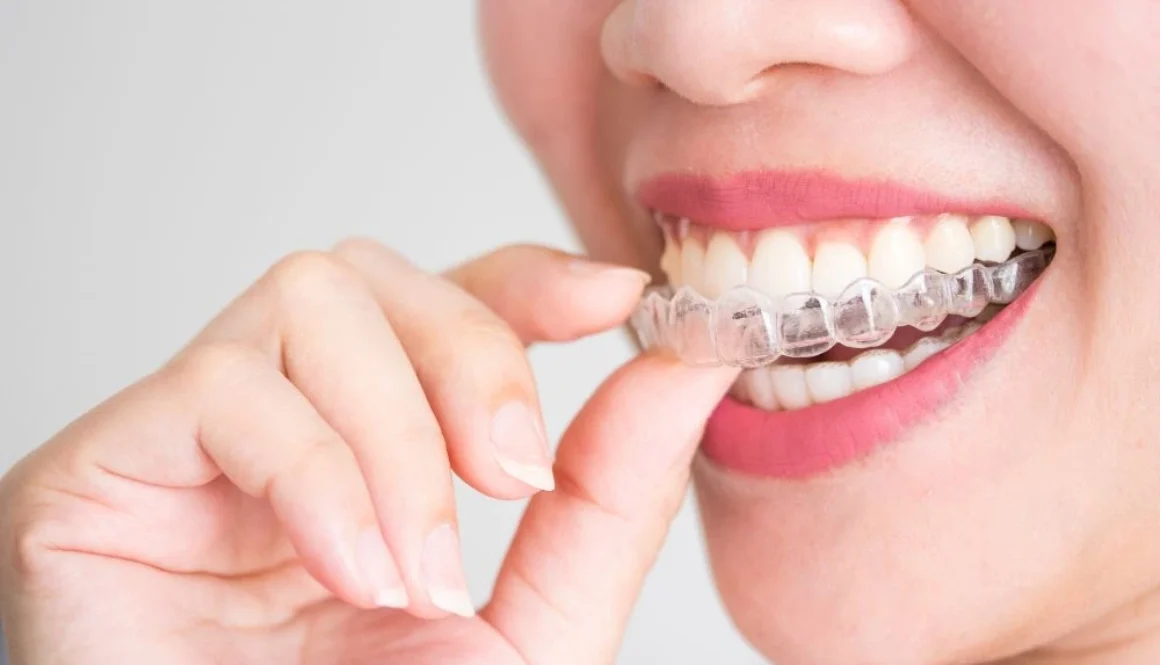
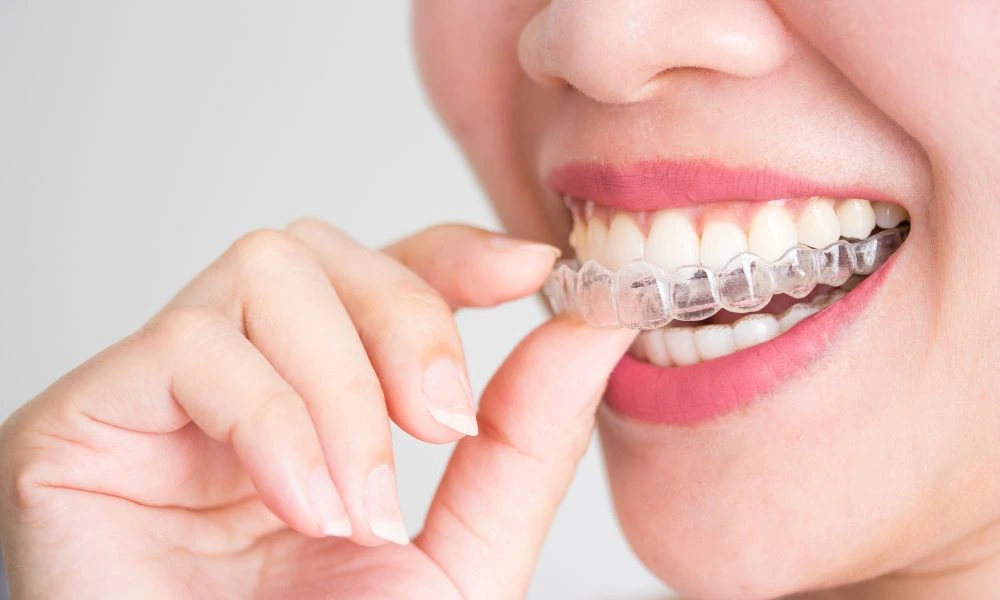
Clear aligners are made from custom-fit, transparent trays placed on the teeth. They work by putting pressure on the teeth to shift them slowly. They are removable trays that can be removed while eating or cleaning the mouth. The choice between clear aligners vs braces depends on your teeth, bite, lifestyle and ability to follow the recommended treatment plan. Neither option is automatically the best for everyone.
When Are Dental Braces a Suitable Choice?
Dental braces in Ajman can be considered if you suffer from overcrowded teeth, gaps and other bite disorders.
Braces offer several practical advantages:
Suitable for complex cases: Fixed braces can be used for treating various alignment and bite disorders.
Continuous treatment: Since braces remain attached to the teeth, you do not need to remember to put them back after meals.
No removable trays to manage: The appliance stays in place throughout treatment.
Different options: Depending on availability and clinical suitability, patients may be able to consider metal or tooth-coloured ceramic braces.
However, braces require careful cleaning around brackets and wires. Also, it might be necessary for you to stay away from tough, sticky or chewy foods which can end up damaging the device. Regular orthodontic appointments are important to monitor progress and make adjustments when needed.
Are Clear Aligners Better for Your Lifestyle?
If you want something less conspicuous than braces, then clear aligners in Ajman can be something to consider. Clear aligners offer several benefits for suitable patients:
Discreet appearance: The transparent trays are less noticeable than traditional metal braces.
Removable design: You can remove them when eating, brushing and flossing.
Flexible mealtimes: You do not have the same food restrictions associated with fixed braces.
Straightforward oral hygiene: Taking off the trays will make brushing and flossing your teeth easy.
Some people search for invisible braces in Ajman when looking for a discreet way to straighten their teeth. This term is commonly used to describe clear aligners, although it can also refer to certain less-visible fixed braces. Although clear aligners are convenient, there is an aspect of commitment that needs to be followed when wearing them. The usual time required for clear aligners to remain on the teeth is usually 20 to 22 hours per day.
Clear Teeth Aligners in Ajman: Who May Benefit?
Clear teeth aligners in Ajman may be suitable for adults and teenagers with certain alignment problems, including mild to moderate crowding or spacing. However, suitability depends on more than the appearance of your front teeth. Your bite, tooth positions, gum health and the complexity of the movements required must also be assessed.
Some cases are better treated with fixed braces, while others may respond well to aligners. Your orthodontic professional can explain the available options after examining your teeth and reviewing any necessary dental records or X-rays. Avoid choosing an aligner system based only on online photographs or advertised results. A proper dental assessment is important before starting treatment.
Braces vs Clear Aligners: Which Is Easier to Maintain?
Your daily habits can influence how comfortable and manageable orthodontic treatment feels.
With braces, you need to clean around the brackets and wires carefully to remove trapped food and plaque. Special brushes or flossing aids may help.
For aligners, you must first take out the trays and then brush your teeth before replacing them. The trays also need regular cleaning according to your provider’s instructions. Drinking anything other than water while wearing them may increase the risk of staining or other problems, depending on the drink. Each of these requires good oral hygiene and professional follow-up. The better choice is one you can manage consistently throughout treatment.
How Long Does Teeth Straightening Take?
How long you will need to wear the aligners depends on how crowded your teeth are, whether you have any malocclusions, and the amount of movement needed for your teeth.
Some cases may need only several months, while more complex cases can take considerably longer. Sometimes clear aligners aren’t even faster than braces, and that will depend on your particular treatment plan.
However, following your orthodontist’s instructions, visiting the orthodontist for scheduled appointments, and wearing your aligners as recommended can ensure that you stay on schedule.
How to Choose the Right Option for You
Before you make the decision whether to get braces or Invisalign, ask yourself the following questions:
Do you want an inconspicuous treatment method?
Can you wear the removable aligners for the recommended time period?
Would you rather have a non-removable orthodontic appliance?
Do you have complex bite or alignment concerns?
Which option fits your daily routine, budget and treatment goals?
Discuss these points during your orthodontic consultation. The aim is to choose a treatment that addresses your dental needs while remaining practical for your everyday life.
Explore Your Orthodontic Options at Relief Medical Center, Ajman
The selection process of braces and aligners should first be determined by having a full knowledge about your teeth and your goals. Professional consultation would be able to make this decision and what will happen during the treatment.
Contact Relief Medical Center in Ajman to enquire about orthodontic consultations and available teeth-straightening options. The dental team can guide you on the next steps based on your individual needs.
You deserve a tooth treatment that is suitable for your oral and personal needs.