Before a Hijama session, ask how equipment is handled and what instructions you will receive afterward. These details are particularly important if the proposed procedure breaks the skin.
Ask how the equipment is prepared
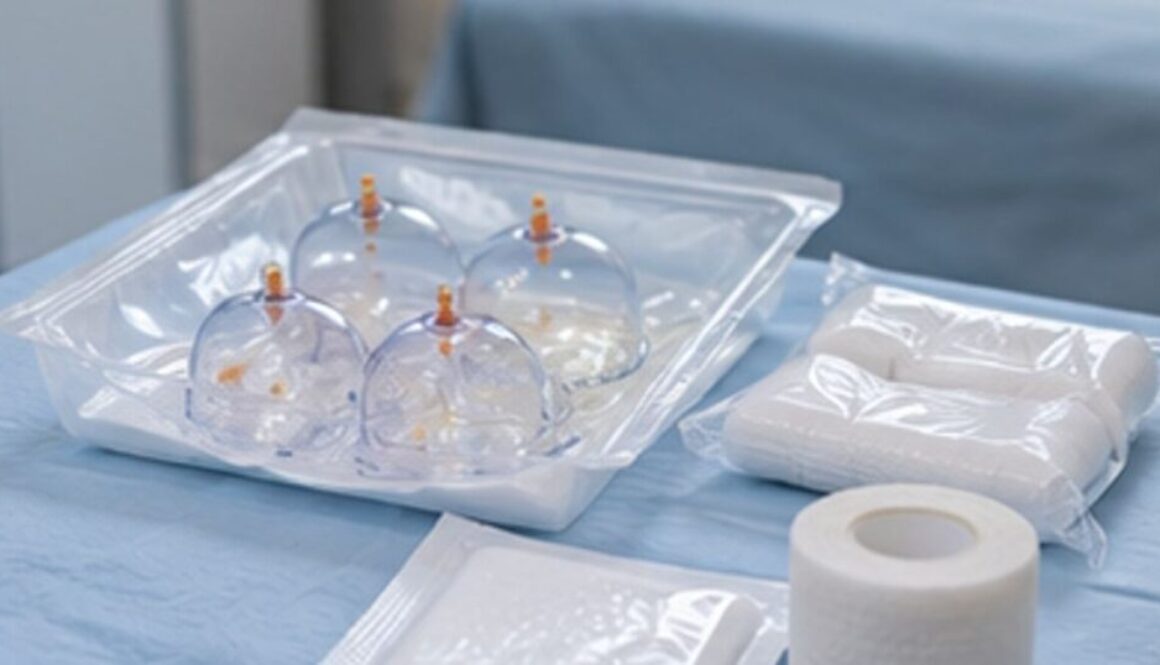
Ask which items are single-use and how reusable items are cleaned or sterilised as appropriate. If wet cupping is planned, ask about sterile single-use blades and safe disposal.
If you’ll be travelling soon after the appointment, ask who you can contact with a concern. Keep the written aftercare details available so you know where to turn.
What to ask during the consultation
Clarify dressing instructions. Ask what dressing will be applied, how long it should stay in place and how to care for the area. Request written instructions if possible.
Find out whom to contact. Ask what marks are expected and who to call if you develop worsening redness, swelling, discharge or fever. Seek medical advice if these occur.
Discuss follow-up ahead of time. Tell the practitioner if work, exercise or travel could affect aftercare. Ask which activities are appropriate and when to get a review if the area is not settling.
Common questions
Can I ask to see unopened supplies?
Yes. Ask which items are single-use and how they will be opened for your session.
What if the dressing instructions are unclear?
Ask the practitioner to repeat or write them down before you leave.
Planning a Hijama consultation in Ajman
Before booking, ask which type of cupping is being discussed and what the initial consultation covers. Visit Relief Medical Center’s Hijama Therapy in Ajman department page for clinic and booking details.
When booking Hijama, a brief health history gives the practitioner information they need to discuss suitability. Keep the exact medicine names available so the conversation can be specific.
Include all medicines and supplements
List prescribed and non-prescribed products, including recent changes. Mention medicines affecting bleeding and seek advice from your prescribing clinician before changing any dose.
If another clinician recently changed a medicine, add the old and new names or doses to your notes. The practitioner can then ask about the current plan before the session.
What to ask during the consultation
Mention earlier reactions. Tell the practitioner about prior fainting, bleeding problems or reactions to dressings, antiseptics or adhesive. Describe what happened and when.
Bring up health and skin concerns. Mention ongoing conditions and any irritation, wounds or infection in the area being considered. Ask if medical advice is needed before proceeding.
Agree on what happens next. Ask why a particular approach is being recommended and what the alternatives are. You can ask to discuss uncertainties with your GP before consenting.
Common questions
Should I mention a medicine I only take occasionally?
Yes. Include it and say when you last took it.
What if I cannot remember a medicine name?
Bring the packaging, a photo or an up-to-date medicine list.
Planning a Hijama consultation in Ajman
Before booking, ask which type of cupping is being discussed and what the initial consultation covers. Visit Relief Medical Center’s Hijama Therapy in Ajman department page for clinic and booking details.
Wet and dry cupping both use suction cups, but the steps differ. Ask which method the practitioner is proposing and have them describe the session before you decide.
What happens in dry cupping
The practitioner applies suction to intact skin. Ask where cups would be placed and what temporary marks or discomfort you might notice afterward.
If you were offered cupping without being told which type, ask that question first. Knowing whether the skin would be broken helps you decide which hygiene and aftercare questions to raise.
What to ask during the consultation
What happens in wet cupping. Wet cupping involves breaking the skin. Ask about sterile single-use equipment and what the practitioner does to reduce the risk of bleeding and infection.
What to discuss before either method. Share your health history, medicines and any skin concerns. Ask what the evidence says about your reason for considering cupping and discuss ongoing symptoms with an appropriate clinician.
Ask about aftercare. Confirm what to expect after the appointment and who to contact if a problem develops. Get written dressing instructions if a procedure breaks the skin.
Common questions
Does dry cupping leave marks?
Temporary marks can occur. Ask the practitioner what to expect and when to seek advice.
Can I choose the method when I arrive?
Discuss the procedure, risks and your health history before agreeing to any treatment.
Planning a Hijama consultation in Ajman
Before booking, ask which type of cupping is being discussed and what the initial consultation covers. Visit Relief Medical Center’s Hijama Therapy in Ajman department page for clinic and booking details.
A first Hijama appointment starts with questions about your health and the method being considered. Find out what the consultation includes so you can prepare the information the practitioner needs.
Check what is being booked
Ask whether the visit is a consultation, a dry cupping session or a wet cupping session. That affects the questions you should ask about equipment and aftercare.
If the appointment is during a busy workday, ask when you can expect to leave and whether any aftercare affects your plans. Give yourself time to discuss questions before deciding.
What to ask during the consultation
Have your health details ready. Bring a list of medicines and supplements and mention allergies, skin concerns and any history of bleeding or feeling faint during procedures.
Ask about preparation directly. Confirm clothing, timing and any instructions in advance. Ask your prescribing clinician before changing any regular medicine in connection with the appointment.
Discuss the process and aftercare. Ask how the practitioner explains risks, checks consent and handles equipment. Find out what aftercare guidance you will receive before deciding.
Common questions
Do I need to bring a medicine list?
Yes, if you take medicines or supplements. Include the names and any recent changes.
What if I feel unwell on the day?
Call before attending and explain the change so the team can advise on the appointment.
Planning a Hijama consultation in Ajman
Before booking, ask which type of cupping is being discussed and what the initial consultation covers. Visit Relief Medical Center’s Hijama Therapy in Ajman department page for clinic and booking details.
Hijama Therapy: What Happens During a Session, and Who Should Seek Medical Advice First?
Hijama therapy in Ajman is a traditional cupping treatment that some people consider for wellness and managing discomfort. Before booking a session, understand how the procedure works, its potential benefits, and the safety precautions to keep in mind. Hijama therapy in Ajman is a traditional cupping practice that some people explore as part of their personal wellness routine. Before booking a session, it is important to understand how the treatment works, what happens during an appointment, and which health conditions may require medical advice. Hijama, or wet cupping, involves placing cups on the skin to create a vacuum and, in some methods, making small superficial cuts to draw a limited amount of blood.
People looking for hijama treatment in Ajman usually want to know about the treatment, what benefits it can give and the precautions they should take. Although some individuals report relaxation or temporary relief from discomfort scientific evidence supporting many claimed benefits remains limited. Therefore understanding the process and discussing individual health concerns with a qualified healthcare professional can help people make informed decisions.
What Is Hijama Therapy and How Does It Work?
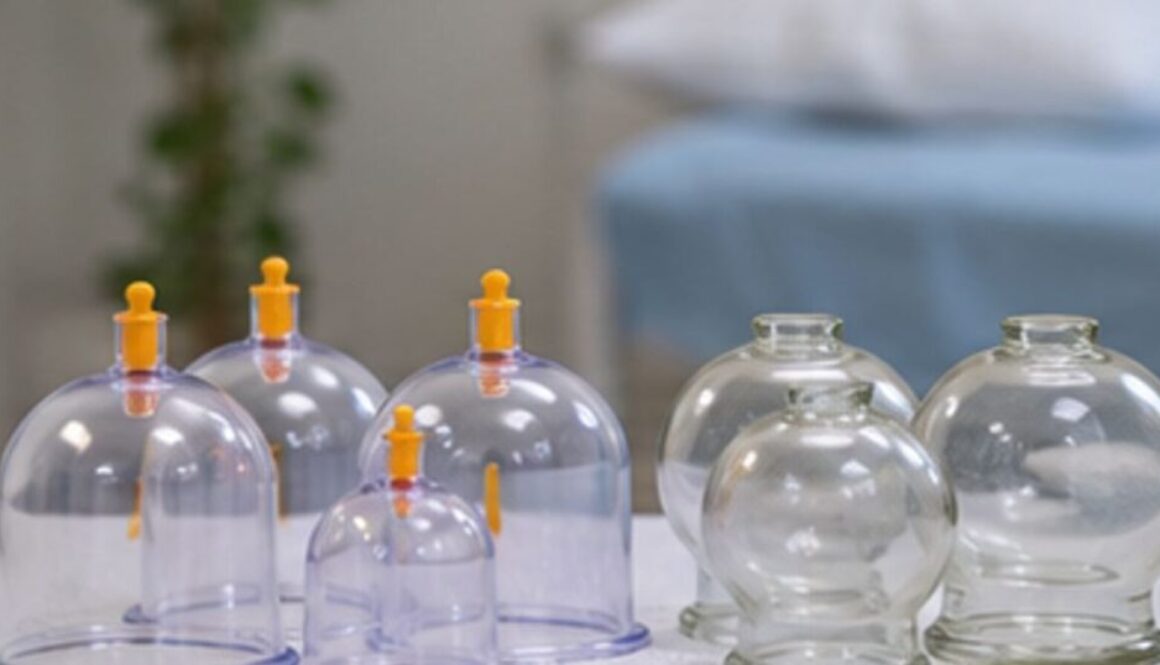
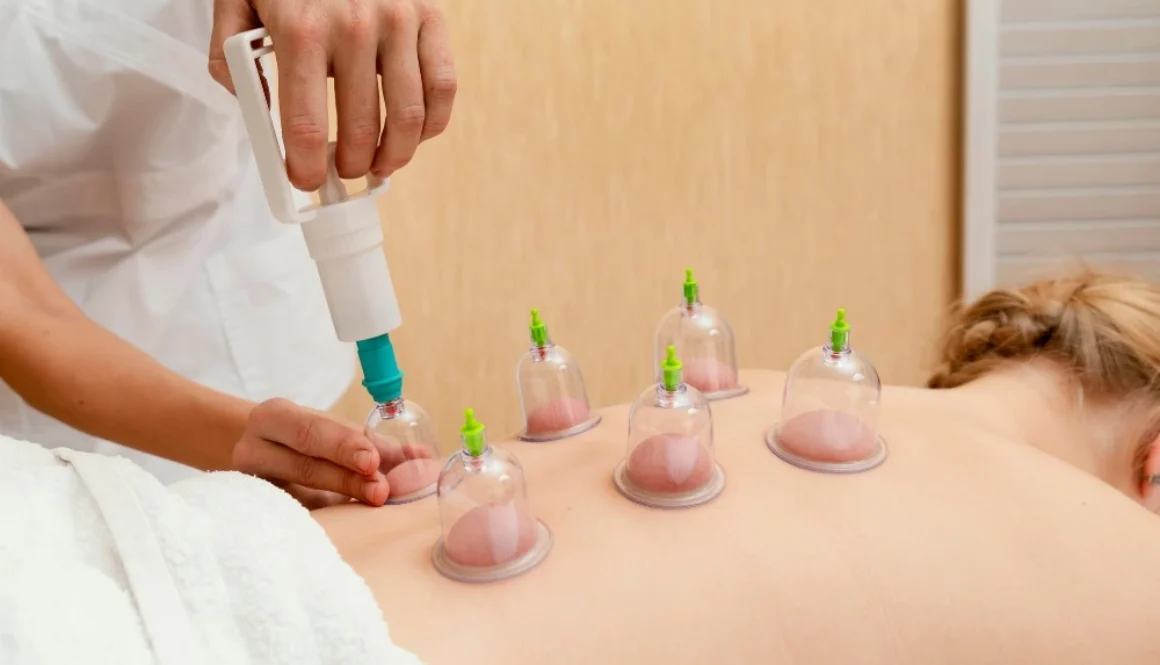
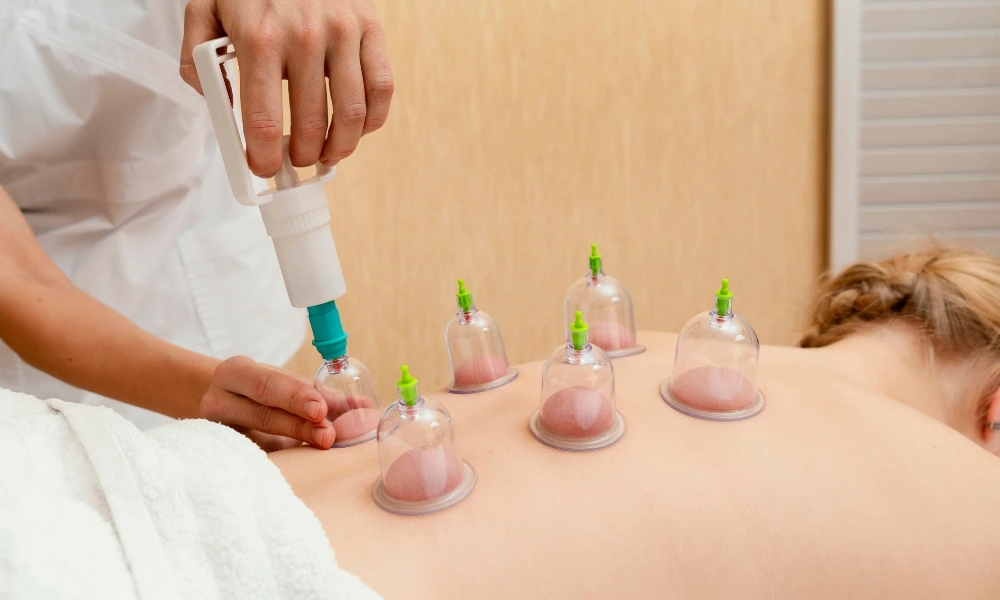
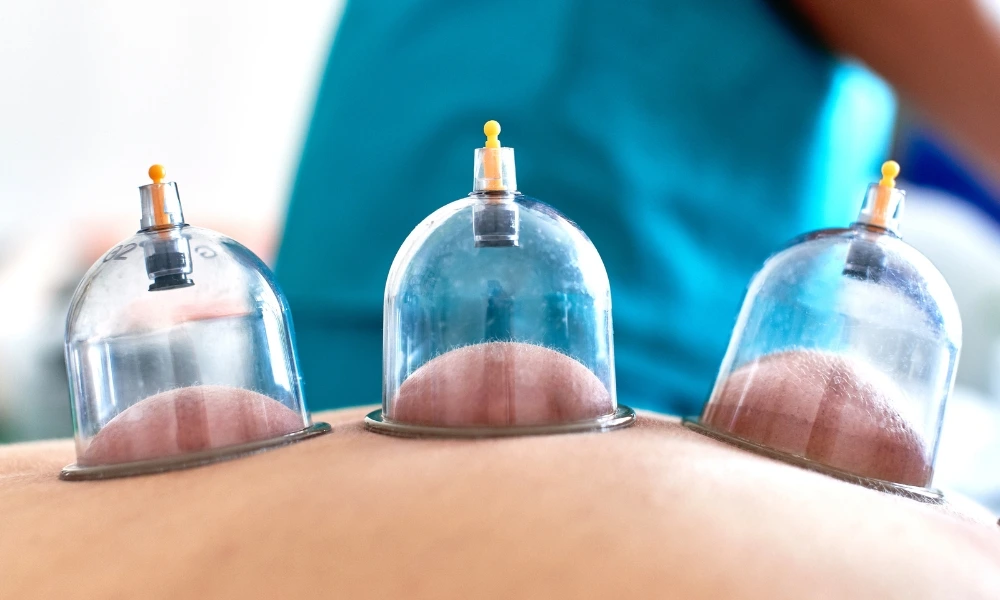
Hijama is a traditional therapy that uses suction cups placed on selected areas of the body. Practitioners commonly describe two main forms: dry cupping and wet cupping. Dry cupping creates suction without breaking the skin whereas wet cupping involves superficial skin incisions followed by suction.
During Hijama therapy in Ajman the exact procedure may vary based on the practitioner’s approach the treatment area, and the individual’s health history. A trained practitioner should explain the method before starting and obtain informed consent.
Suction can cause temporary redness, circular marks, tenderness or bruising. Wet cupping carries additional risks because it breaks the skin barrier. These include bleeding, infection, scarring, and particularly with repeated procedures, iron-deficiency anaemia.
Hijama should not replace medical diagnosis or evidence-based treatment for an existing health condition.
What Happens During a Hijama Treatment Session?
Understanding each stage can make the appointment less unfamiliar, especially for someone considering hijama treatment in Ajman for the first time.
1. Initial Consultation and Health Assessment
The practitioner will inquire about your current symptoms medical history, allergies, medications and past cupping experience. They should also explain the expected procedure possible side effects and available alternatives.
Tell the practitioner if you take blood-thinning medication, have a bleeding disorder, experience frequent dizziness or have a condition that affects wound healing. This information helps identify potential risks before treatment begins.
2. Preparing the Treatment Area
The practitioner selects the appropriate treatment area after discussing your concerns and obtaining consent. The skin should be checked for wounds, irritation, infection or other problems.
Wet cupping requires strict hygiene. The practitioner must use appropriate skin antisepsis sterile single-use blades or lancets and suitable protective equipment. Blood-contaminated materials must be handled and discarded safely.
3. Applying the Cups
The practitioner then places the cups on the chosen areas and creates a vacuum. You may feel a pulling sensation or tightness on the skin. The cups should remain in place only for an appropriate period depending on the method used.
If the sensation becomes painful or you feel faint, dizzy or unwell, inform the practitioner immediately. Never continue treatment simply because discomfort is expected.
4. The Wet Cupping Procedure
If you choose wet cupping, the practitioner removes the cups and makes small, superficial cuts using sterile, single-use equipment. The cups are then reapplied to draw a limited amount of blood.
Because this method breaks the skin it carries risks that dry cupping does not. Anyone considering it should understand the potential for infection, prolonged bleeding, and scarring before agreeing to the procedure.
5. Cleaning and Aftercare
After the cups are removed the practitioner should clean the area, control any bleeding and apply an appropriate dressing. You should receive clear instructions about wound care, bathing, physical activity, and signs of infection.
For anyone considering Hijama therapy in Ajman, proper aftercare is just as important as the procedure itself. Seek medical attention if you develop increasing redness, warmth, swelling, pus, fever, persistent bleeding or worsening pain.
What Are the Potential Benefits of Hijama Treatment?
The benefits of hijama treatment depend on the individual the method used, and the reason for seeking care. Some people report temporary relaxation or changes in how they perceive muscle discomfort after cupping. However, research remains limited, and the evidence does not establish that hijama reliably treats most medical conditions.
Possible Areas of Interest
Temporary muscle discomfort: Some people use cupping alongside other approaches to managing muscular pain although evidence for lasting benefits remains uncertain.
Relaxation: The treatment setting and experience may feel relaxing to certain individuals.
Traditional wellness practices: Some people choose hijama because it forms part of their cultural or personal wellness traditions.
Complementary care: When appropriate cupping may be discussed as an additional practice alongside conventional healthcare rather than as a replacement.
Do not exaggerate the benefits of hijama treatment. Reliable evidence is insufficient to claim that it removes toxins from the body, cures chronic diseases or improves everyone’s health. First, talk to a healthcare professional about your symptoms before relying on any complementary treatment.
Who Should Seek Medical Advice Before Hijama?
Not everyone is a suitable candidate for wet cupping. A medical assessment is particularly important for people with certain conditions or risk factors.
People Taking Blood-Thinning Medication
Some antiplatelet drugs and anticoagulants can raise the risk of bleeding. Anyone taking these medications should consult the prescribing clinician before considering wet cupping. Do not stop prescribed medication to undergo a session.
People With Anaemia or Bleeding Disorders
Wet cupping removes blood and can worsen anaemia particularly when sessions are repeated. People with clotting disorders low platelet counts, or a history of unexplained bleeding should obtain medical advice first.
People With Diabetes or Poor Wound Healing
Diabetes, circulation problems and certain immune conditions can cause infection or slow healing. A clinician should assess whether the procedure is appropriate, especially if the skin is fragile or sensation is reduced.
Pregnant People and Those With Chronic Illnesses
Pregnant individuals and people managing heart disease, kidney disease, significant liver disease or other complex medical conditions should discuss cupping with their healthcare provider before proceeding.
People With Skin Conditions or Active Infections
Avoid placing cups over open wounds, burns, infected skin or areas affected by active skin disease. A qualified clinician can advise whether to postpone or avoid treatment.
Children, older adults who are medically vulnerable, and people who frequently faint should also receive appropriate medical guidance before considering wet cupping.
How to Choose a Hijama Practitioner in Ajman
When researching hijama treatment near you look beyond convenience or promotional claims. A safe service should prioritise hygiene, informed consent and a clear understanding of your medical history.
Before booking, check the following:
The practitioner has appropriate training and any required local authorisation.
The facility follows applicable health and infection-control regulations.
Sterile, single-use equipment is used whenever the skin is broken.
The practitioner explains risks, contraindications and aftercare.
The service does not promise guaranteed cures or encourage you to stop medical treatment.
If you are comparing providers offering Hijama therapy in Ajman, ask questions about the procedure, the equipment used, and the measures taken to prevent infection. A responsible practitioner should welcome these questions and recommend medical assessment when necessary.
Conclusion
Hijama is a traditional cupping practice that requires careful consideration, especially when the procedure involves blood removal. Knowing what happens during an appointment, understanding the limitations of current evidence and identifying medical risk factors can help you make a safer decision.
If you are searching for Hijama therapy in Ajman or looking into hijama treatment in Ajman, prioritise qualified practitioners, proper infection control, and honest explanations of potential outcomes. Most importantly, seek medical advice first if you have a chronic illness, take blood-thinning medication, have anaemia or experience problems with bleeding or wound healing. An informed approach helps you assess whether this complementary practice suits your circumstances.