What to Tell Your Hijama Practitioner About Medicines and Health Conditions
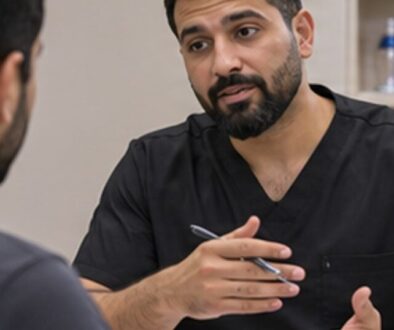
When booking Hijama, a brief health history gives the practitioner information they need to discuss suitability. Keep the exact medicine names available so the conversation can be specific.
Include all medicines and supplements
List prescribed and non-prescribed products, including recent changes. Mention medicines affecting bleeding and seek advice from your prescribing clinician before changing any dose.
If another clinician recently changed a medicine, add the old and new names or doses to your notes. The practitioner can then ask about the current plan before the session.
What to ask during the consultation
- Mention earlier reactions. Tell the practitioner about prior fainting, bleeding problems or reactions to dressings, antiseptics or adhesive. Describe what happened and when.
- Bring up health and skin concerns. Mention ongoing conditions and any irritation, wounds or infection in the area being considered. Ask if medical advice is needed before proceeding.
- Agree on what happens next. Ask why a particular approach is being recommended and what the alternatives are. You can ask to discuss uncertainties with your GP before consenting.
Common questions
Should I mention a medicine I only take occasionally?
Yes. Include it and say when you last took it.
What if I cannot remember a medicine name?
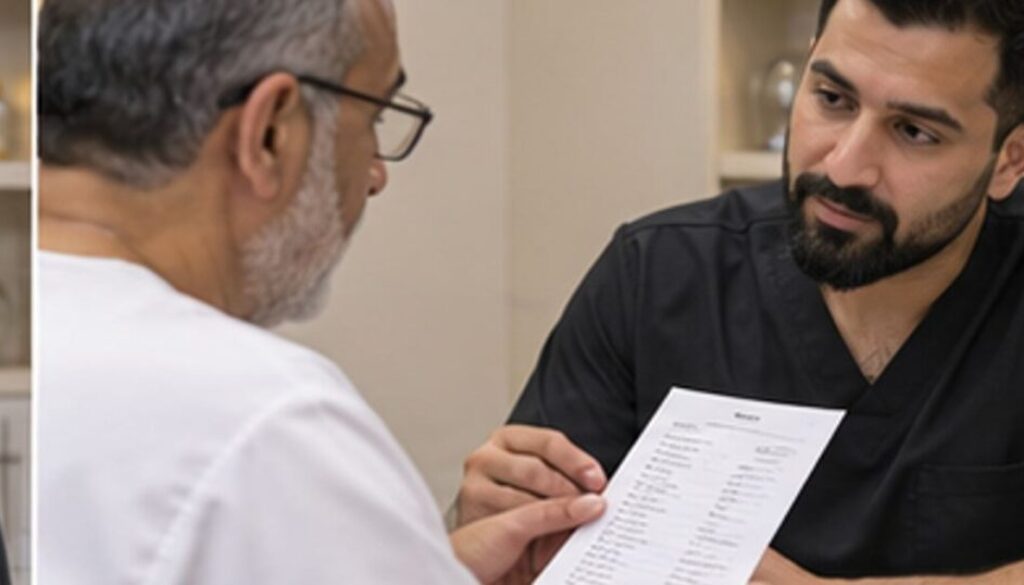
Bring the packaging, a photo or an up-to-date medicine list.
Planning a Hijama consultation in Ajman
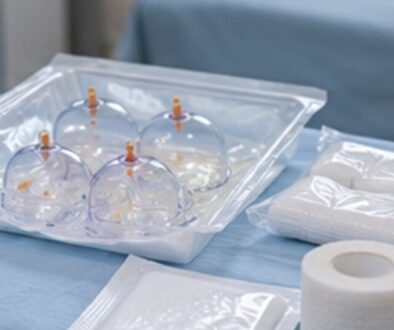
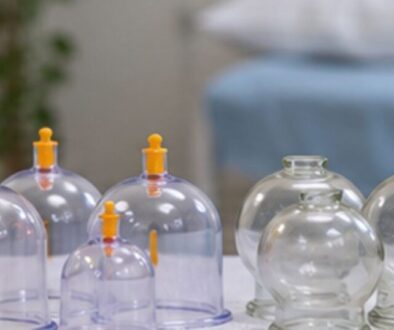
Before booking, ask which type of cupping is being discussed and what the initial consultation covers. Visit Relief Medical Center’s Hijama Therapy in Ajman department page for clinic and booking details.
Further reading: NCCIH overview of cupping and its risks.