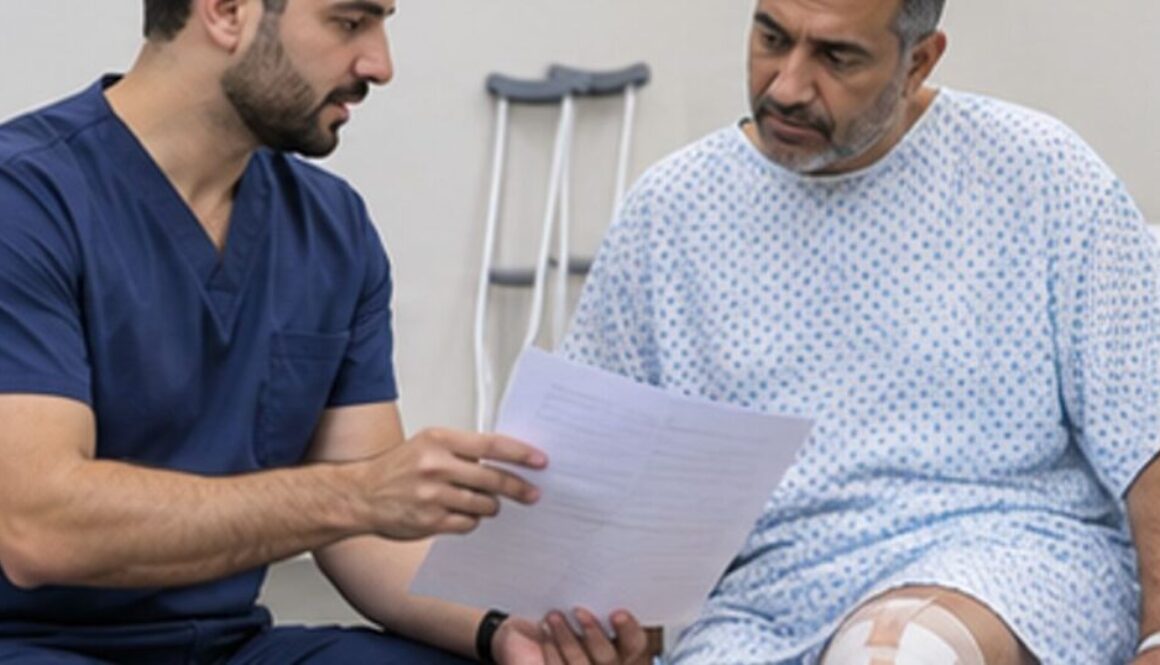
The first rehabilitation visit is easier when the physiotherapist can see the instructions from your surgical team. Keep the surgery date and any restrictions together in one place.
Bring the discharge paperwork
Include any instructions on wound care, braces, weight bearing or movements to avoid. Bring the surgeon’s rehabilitation protocol if one was provided.
If your instructions changed at the last surgical review, take the newer advice as well as the original discharge paperwork. Point out which instructions you believe are current.
What to discuss at your physiotherapy visit
Describe your day at the moment. Explain how you manage stairs, dressing, getting out of bed or moving around the house. Mention any walking aid you use and whether you need help with daily tasks.
Agree on priorities for this stage. Ask which goals are appropriate given the surgery and current instructions. Tell the physiotherapist about follow-up appointments with the surgical team.
Confirm how to follow up. Check which exercises or activities have been agreed and how to contact the relevant team with questions. Ask who should handle any concerns about the surgical wound.
Common questions
Should I bring my brace or walking aid?
If you currently use it, ask the clinic to confirm what to bring.
What if the discharge instructions are unclear?
Bring the paperwork and ask the physiotherapist to coordinate clarification before progressing the plan.
Planning a physiotherapy visit in Ajman
Bring any reports or instructions relevant to your physiotherapy visit and choose one everyday task you want to discuss. Visit Relief Medical Center’s Physiotherapy in Ajman department page for clinic and booking details.
An ankle may feel comfortable during a short walk but react differently to a longer session, uneven ground or a quick turn. Tell your physiotherapist exactly what you want to get back to.
Explain how the injury happened
Share the date, how the ankle rolled and what you could do afterward. Bring any earlier assessment or imaging report if you have one.
If you want to return to a sport that involves quick changes of direction, describe those movements at the visit. Explain whether ordinary walking and stairs already feel comfortable.
What to discuss at your physiotherapy visit
Track what happens after activity. Notice whether swelling, discomfort or a feeling of instability appears during activity or later. Give examples from stairs, walking or your usual exercise.
Discuss what your sport demands. A return to cycling can involve different movements from a return to football. Ask which tasks your physiotherapist wants to check before you progress.
Ask about the next stage. Discuss how to adjust activity and when to review the plan. Seek assessment if you cannot bear weight or if pain and swelling worsen.
Common questions
Can I return as soon as swelling improves?
Ask what other signs the physiotherapist wants to check for your activity.
Should I bring my usual exercise shoes?
They can help explain your routine. Ask the clinic if they want you to bring them.
Planning a physiotherapy visit in Ajman
Bring any reports or instructions relevant to your physiotherapy visit and choose one everyday task you want to discuss. Visit Relief Medical Center’s Physiotherapy in Ajman department page for clinic and booking details.
Neck stiffness may show up after a long stretch at the computer or when you turn to look over your shoulder later. Notice how the timing relates to the work you were doing.
Describe how you work
Explain whether you use a laptop, multiple screens or a phone for long periods. A photo of your setup can make it easier to discuss the positions you use.
If your neck feels different on office days and laptop days, note what changes between them. Include where the screen is and which tasks keep you in one position for longer.
What to discuss at your physiotherapy visit
Track movements that feel difficult. Mention whether turning, looking down or lifting changes the stiffness. Tell the clinician about headaches, arm symptoms or a recent injury.
Consider small changes you can repeat. Ask about practical adjustments to screen position, breaks and how you alternate tasks. A plan should account for the work you actually do.
Review how you respond. Tell the physiotherapist whether the changes helped and what remains difficult. Seek medical advice if stiffness persists or comes with concerning symptoms such as new weakness.
Common questions
What if my setup changes throughout the day?
Describe each location and roughly how long you spend there.
Should I stretch through pain?
Ask which movements are suitable for you and tell the physiotherapist if an exercise makes symptoms worse.
Planning a physiotherapy visit in Ajman
Bring any reports or instructions relevant to your physiotherapy visit and choose one everyday task you want to discuss. Visit Relief Medical Center’s Physiotherapy in Ajman department page for clinic and booking details.
You can arrive at your first physiotherapy appointment with a simple description of what has become difficult. A specific example, like trouble taking stairs or lifting a shopping bag, gives the physiotherapist a starting point.
Talk through the reason for your visit
Explain when the issue began, what improves or worsens it and what you have already tried. Bring relevant reports, referrals and any instructions from another clinician.
If climbing the stairs to work is your priority, describe the number of flights and whether you use a rail. A goal tied to your day is easier to review later.
What to discuss at your physiotherapy visit
Expect a movement assessment. Depending on the issue, the physiotherapist may look at how you move, check range of motion or ask you to try a task. You can ask what each part is for and tell them if you need to stop.
Discuss your goals. Choose one or two activities you want to do more comfortably. Explain your work hours, sport or caring responsibilities so the plan fits your routine.
Clarify the plan before leaving. Ask whether there are exercises to practise, how to recognise a flare and when the next review should happen. Write down any instructions you want to remember.
Common questions
What should I wear?
Wear comfortable clothing that allows movement and ask the clinic if anything specific is needed.
Can I bring someone with me?
Ask when booking if you would like a family member or caregiver to attend.
Planning a physiotherapy visit in Ajman
Bring any reports or instructions relevant to your physiotherapy visit and choose one everyday task you want to discuss. Visit Relief Medical Center’s Physiotherapy in Ajman department page for clinic and booking details.
Putting a bag in an overhead compartment or reaching for a high shelf can reveal discomfort you barely notice at waist height. Describe the specific movement rather than repeatedly testing it.
Show the task in words
Tell the physiotherapist whether reaching forward, to the side or behind your head is difficult. Mention if the same movement feels different with a load.
If reaching an empty shelf feels different from lifting a plate onto it, describe both. Explain whether the problem starts on the way up, on the way down or while holding the item.
What to discuss at your physiotherapy visit
Give the timeline. Explain whether pain started after a fall, a new activity or a gradual change. Mention night pain, weakness or loss of movement.
What the assessment may involve. A physiotherapist can assess how your shoulder moves and which activities are limited. Tell them if a movement hurts during the examination so they can adapt it.
Set a practical goal. Choose a task you want to return to, such as dressing, reaching a cupboard or resuming sport. Ask how to adapt it while you work on recovery.
Common questions
What if I cannot raise my arm after an injury?
Get urgent medical advice, especially if there is severe pain, deformity or sudden loss of movement.
Can I bring an existing scan?
Yes, if you already have one. Bring the report and describe what has changed since it was taken.
Planning a physiotherapy visit in Ajman
Bring any reports or instructions relevant to your physiotherapy visit and choose one everyday task you want to discuss. Visit Relief Medical Center’s Physiotherapy in Ajman department page for clinic and booking details.
Your back may feel fine when you sit down to work, then tighten halfway through a call. A physiotherapist can use the timing of the discomfort and how it changes with movement to guide the assessment.
Describe a normal workday
Estimate how long you sit at a stretch and what happens when you stand. Mention the commute and other activities that seem to influence symptoms.
If sitting through one long meeting is harder than a day with frequent short breaks, tell your physiotherapist. That detail can help you discuss changes that fit your schedule.
What to discuss at your physiotherapy visit
Notice what changes the pain. Record whether walking, changing position or taking a break makes a difference. Tell the physiotherapist if the pain travels or is accompanied by numbness or weakness.
Bring your setup into the conversation. A photo of your usual chair and screen arrangement can help explain where you spend the day. Ask which changes are practical for your workspace.
Agree on a plan you can use. Discuss what you want to get back to and what to do if symptoms flare. Seek urgent assessment for new bladder or bowel changes or numbness around the genitals with back pain.
Common questions
Should I buy a new chair first?
Discuss your work setup at the visit before spending money on equipment.
Does the assessment only look at sitting?
It can include the activities that matter to you, such as walking, lifting and getting up from a chair.
Planning a physiotherapy visit in Ajman
Bring any reports or instructions relevant to your physiotherapy visit and choose one everyday task you want to discuss. Visit Relief Medical Center’s Physiotherapy in Ajman department page for clinic and booking details.
Why Does Your Knee Feel Stiff After Sitting for a Long Time?
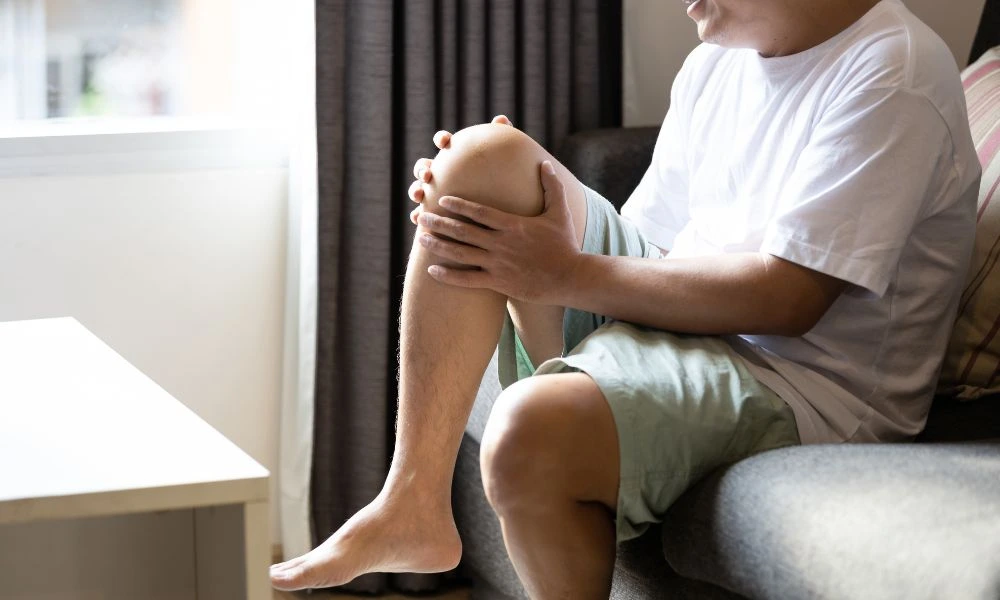
Have you ever stood up after sitting for a long time and noticed that your knees feel tight, uncomfortable, or difficult to bend? This common experience can affect people of all ages. Knee stiffness may occur after working at a desk, travelling, watching television, or resting for an extended period. Although it sometimes improves after a few minutes of movement, frequent stiffness may indicate an underlying joint or muscle problem. Identifying the cause and getting the right treatment can improve mobility and relieve discomfort. If your symptoms continue, exploring knee pain treatment in Ajman may help you find the right approach to managing your condition.
What Causes Knee Stiffness After Sitting?
Knee stiffness after prolonged sitting can develop for several reasons. The knee joint depends on healthy cartilage, surrounding muscles, ligaments, and joint fluid to move comfortably. Remaining in one position for too long may make the joint feel less flexible when you start moving again.
Some common causes include:
Prolonged inactivity: Keeping your knees bent for an extended period can make the surrounding muscles feel tight and uncomfortable.
Osteoarthritis: Wear-related changes in the joint cartilage can cause stiffness, particularly after resting or waking up in the morning.
Muscle weakness: Weak quadriceps and hamstring muscles may provide less support to the knee joint.
Previous injuries: Old sports injuries, ligament damage or meniscus problems can contribute to recurring stiffness.
Inflammation: Certain joint conditions may cause swelling, tenderness, and difficulty bending or straightening the knee.
Identifying the cause matters because the best treatment depends on your symptoms, medical history, and physical exam.
Why Does Your Knee Feel Better After Walking?
You may notice your knee feels stiff when you first stand up but gradually becomes more comfortable after a few minutes of walking. This can happen because gentle movement helps the joint move through its normal range of motion and activates the surrounding muscles.
The knee joint has synovial fluid that lubricates the joint and makes movement smooth. After remaining still the joint may feel temporarily less flexible. Gentle activity can help reduce this sensation.
However, if stiffness returns repeatedly, worsens, or occurs alongside swelling, and you have pain that does not go away, see a doctor. To determine whether you need knee stiffness treatment in Ajman, consult a doctor.
Common Symptoms That Accompany Knee Stiffness
Knee stiffness does not always occur on its own. Depending on the underlying cause, you may experience other symptoms, including:
Difficulty fully bending or straightening your knee.
Pain after sitting – when rising.
Pain while climbing or descending stairs.
Swelling around the knee joint.
A clicking or grinding sensation during movement.
Reduced flexibility when walking or exercising.
A feeling of weakness or instability in the affected leg.
Pay attention to how often these symptoms occur and whether they interfere with your daily activities. This information can help your healthcare provider understand the problem more accurately.
How Can You Reduce Knee Stiffness After Sitting?
Some minor changes in your daily routine might help to control mild stiffness and improve joint movement.
Take regular movement breaks
Avoid sitting in the same position for several hours. Stand up and walk gently every 30 to 60 minutes adjusting the frequency according to your comfort and mobility.
Try gentle knee movements
Sit and slowly straighten and bend your knee as far as is comfortable. Avoid forcing the movement if it causes sharp pain.
Strengthen the surrounding muscles
Hip, hamstring and quadriceps exercises may improve knee support. Choose suitable activities based on your physical condition and a professional’s advice.
Maintain a healthy body weight
Hip, hamstring and quadriceps exercises. Sustainable lifestyle changes may help reduce this additional stress.
Pay attention to your sitting posture
Keep your feet supported and avoid keeping your knees deeply bent for long periods. Changing your position regularly can help prevent prolonged joint stiffness.
These measures may help with mild symptoms, but ongoing or worsening stiffness requires appropriate assessment.
When Should You Seek Knee Pain Treatment in Ajman?
Occasional stiffness that disappears quickly may not be a cause for concern. However professional assessment is advisable if the symptoms occur frequently, affect your walking, disturb your sleep, or make routine activities difficult.
If you are looking for knee pain treatment near you, see a qualified healthcare professional who can examine your knee, identify possible causes, and recommend appropriate care.
Seek urgent medical attention if your knee suddenly becomes very painful, hot, red, or significantly swollen, especially if you also have a fever. Seek prompt assessment if you cannot bear weight on the leg after an injury or cannot move the joint normally.
Early assessment can help identify problems before they significantly interfere with daily movement.
How Knee Physiotherapy Can Help
Physiotherapy may be important in managing knee stiffness, particularly when muscle weakness, reduced flexibility, or movement difficulties contribute to the symptoms.
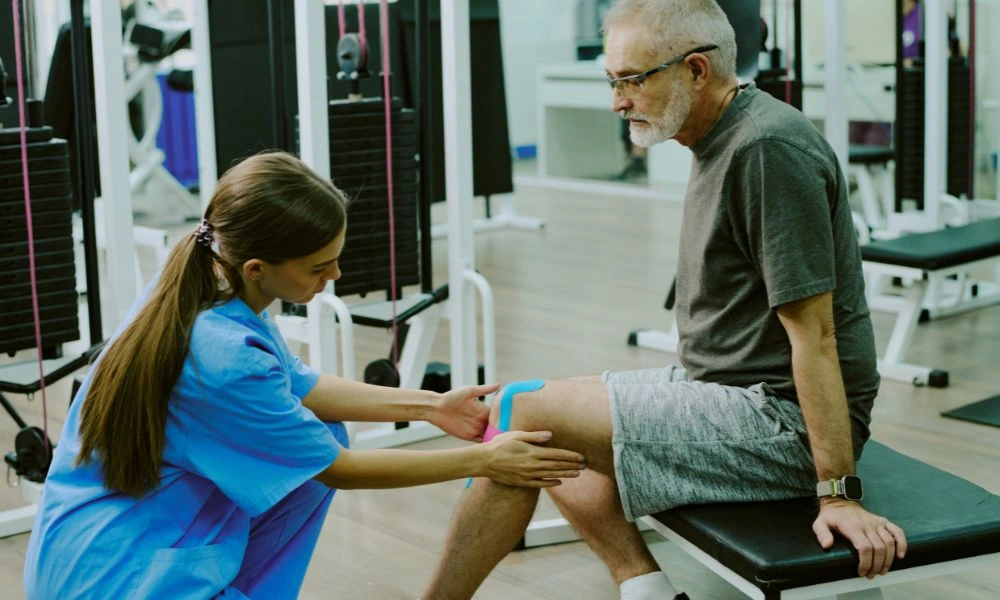
A physiotherapist may assess your knee mobility, muscle strength, balance, walking pattern, and ability to perform everyday movements. They can develop an individual exercise programme based on the findings.
Knee physiotherapy in Ajman may include gentle range-of-motion exercises, muscle strengthening, stretching, balance training, and guidance on safer movement techniques. The programme should match your condition, age, activity level and recovery goals.
For people experiencing stiffness after prolonged sitting, physiotherapy for stiff knees may improve flexibility, support joint function, and make activities such as standing, walking and climbing stairs more manageable.
A physiotherapist may also recommend practical adjustments to your work routine, sitting habits, and exercise schedule. Consistent participation in an appropriate programme can help improve mobility over time.
What to Expect From Knee Stiffness Treatment
Treatment depends on the cause of stiffness. A healthcare professional may review your symptoms, examine the joint and recommend additional investigations when necessary.
Treatment options may include therapeutic exercises, activity modification, weight management, medication when appropriate, or further specialist assessment. People with osteoarthritis may benefit from a combination of strengthening exercises, movement guidance, and other individualised management strategies.
If you are looking for knee stiffness treatment near you, choose a provider who evaluates the underlying cause rather than focusing only on temporary symptom management.
The aim is to minimise loss of joint function and discomfort, and help you return to your usual activities safely. With the right care, many people can experience better movement and find greater relief from everyday knee stiffness.
How to Prevent Knee Stiffness in the Future
Although not every cause of knee stiffness can be prevented, healthy habits can support long-term joint function.
Stay physically active with suitable activities such as walking, swimming, or stationary cycling.
Avoid sitting continuously for long periods.
Perform regular strengthening and flexibility exercises suited to your ability.
Increase exercise intensity gradually instead of making sudden changes.
Wear comfortable supportive footwear when appropriate.
Follow professional advice if you have an existing knee condition or previous injury.
If your job requires extended desk work schedule short movement breaks throughout the day. Small routine adjustments can make it easier to keep moving without overdoing it.
Conclusion
Other causes of knee stiffness after sitting for long periods include Inactivity Muscle weakness, Osteoarthritis and Previous injuries or other joint conditions. While occasional stiffness may improve with gentle movement recurring symptoms deserve attention particularly when they affect walking or everyday activities.
Understanding the cause is the first step towards choosing suitable care. With a professional assessment, appropriate exercises and healthy daily habits, you can work toward better knee flexibility and mobility. If stiffness or discomfort continues, consult a qualified healthcare professional to discuss the most appropriate treatment for your needs.