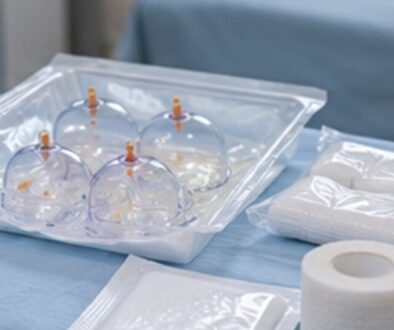
Why Does Your Knee Feel Stiff After Sitting for a Long Time?
Have you ever stood up after sitting for a long time and noticed that your knees feel tight, uncomfortable, or difficult to bend? This common experience can affect people of all ages. Knee stiffness may occur after working at a desk, travelling, watching television, or resting for an extended period. Although it sometimes improves after a few minutes of movement, frequent stiffness may indicate an underlying joint or muscle problem. Identifying the cause and getting the right treatment can improve mobility and relieve discomfort. If your symptoms continue, exploring knee pain treatment in Ajman may help you find the right approach to managing your condition.
What Causes Knee Stiffness After Sitting?
Knee stiffness after prolonged sitting can develop for several reasons. The knee joint depends on healthy cartilage, surrounding muscles, ligaments, and joint fluid to move comfortably. Remaining in one position for too long may make the joint feel less flexible when you start moving again.
Some common causes include:
- Prolonged inactivity: Keeping your knees bent for an extended period can make the surrounding muscles feel tight and uncomfortable.
- Osteoarthritis: Wear-related changes in the joint cartilage can cause stiffness, particularly after resting or waking up in the morning.
- Muscle weakness: Weak quadriceps and hamstring muscles may provide less support to the knee joint.
- Previous injuries: Old sports injuries, ligament damage or meniscus problems can contribute to recurring stiffness.
- Inflammation: Certain joint conditions may cause swelling, tenderness, and difficulty bending or straightening the knee.
Identifying the cause matters because the best treatment depends on your symptoms, medical history, and physical exam.
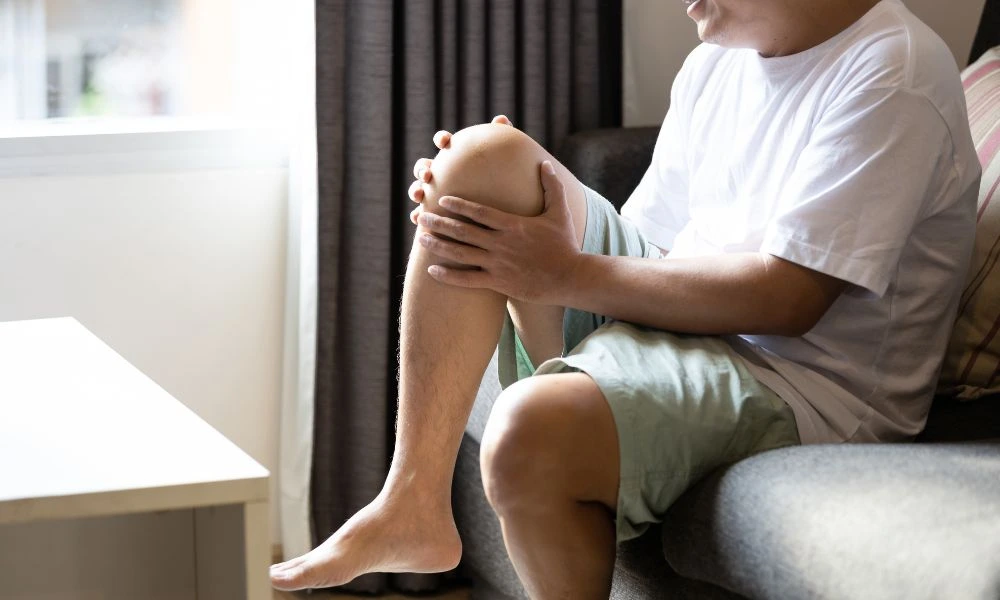
Why Does Your Knee Feel Better After Walking?
You may notice your knee feels stiff when you first stand up but gradually becomes more comfortable after a few minutes of walking. This can happen because gentle movement helps the joint move through its normal range of motion and activates the surrounding muscles.
The knee joint has synovial fluid that lubricates the joint and makes movement smooth. After remaining still the joint may feel temporarily less flexible. Gentle activity can help reduce this sensation.
However, if stiffness returns repeatedly, worsens, or occurs alongside swelling, and you have pain that does not go away, see a doctor. To determine whether you need knee stiffness treatment in Ajman, consult a doctor.
Common Symptoms That Accompany Knee Stiffness
Knee stiffness does not always occur on its own. Depending on the underlying cause, you may experience other symptoms, including:
- Difficulty fully bending or straightening your knee.
- Pain after sitting – when rising.
- Pain while climbing or descending stairs.
- Swelling around the knee joint.
- A clicking or grinding sensation during movement.
- Reduced flexibility when walking or exercising.
- A feeling of weakness or instability in the affected leg.
Pay attention to how often these symptoms occur and whether they interfere with your daily activities. This information can help your healthcare provider understand the problem more accurately.
How Can You Reduce Knee Stiffness After Sitting?
Some minor changes in your daily routine might help to control mild stiffness and improve joint movement.
- Take regular movement breaks
Avoid sitting in the same position for several hours. Stand up and walk gently every 30 to 60 minutes adjusting the frequency according to your comfort and mobility.
- Try gentle knee movements
Sit and slowly straighten and bend your knee as far as is comfortable. Avoid forcing the movement if it causes sharp pain.
- Strengthen the surrounding muscles
Hip, hamstring and quadriceps exercises may improve knee support. Choose suitable activities based on your physical condition and a professional’s advice.
- Maintain a healthy body weight
Hip, hamstring and quadriceps exercises. Sustainable lifestyle changes may help reduce this additional stress.
- Pay attention to your sitting posture
Keep your feet supported and avoid keeping your knees deeply bent for long periods. Changing your position regularly can help prevent prolonged joint stiffness.
These measures may help with mild symptoms, but ongoing or worsening stiffness requires appropriate assessment.
When Should You Seek Knee Pain Treatment in Ajman?
Occasional stiffness that disappears quickly may not be a cause for concern. However professional assessment is advisable if the symptoms occur frequently, affect your walking, disturb your sleep, or make routine activities difficult.
If you are looking for knee pain treatment near you, see a qualified healthcare professional who can examine your knee, identify possible causes, and recommend appropriate care.
Seek urgent medical attention if your knee suddenly becomes very painful, hot, red, or significantly swollen, especially if you also have a fever. Seek prompt assessment if you cannot bear weight on the leg after an injury or cannot move the joint normally.
Early assessment can help identify problems before they significantly interfere with daily movement.
How Knee Physiotherapy Can Help
Physiotherapy may be important in managing knee stiffness, particularly when muscle weakness, reduced flexibility, or movement difficulties contribute to the symptoms.
A physiotherapist may assess your knee mobility, muscle strength, balance, walking pattern, and ability to perform everyday movements. They can develop an individual exercise programme based on the findings.
Knee physiotherapy in Ajman may include gentle range-of-motion exercises, muscle strengthening, stretching, balance training, and guidance on safer movement techniques. The programme should match your condition, age, activity level and recovery goals.
For people experiencing stiffness after prolonged sitting, physiotherapy for stiff knees may improve flexibility, support joint function, and make activities such as standing, walking and climbing stairs more manageable.
A physiotherapist may also recommend practical adjustments to your work routine, sitting habits, and exercise schedule. Consistent participation in an appropriate programme can help improve mobility over time.
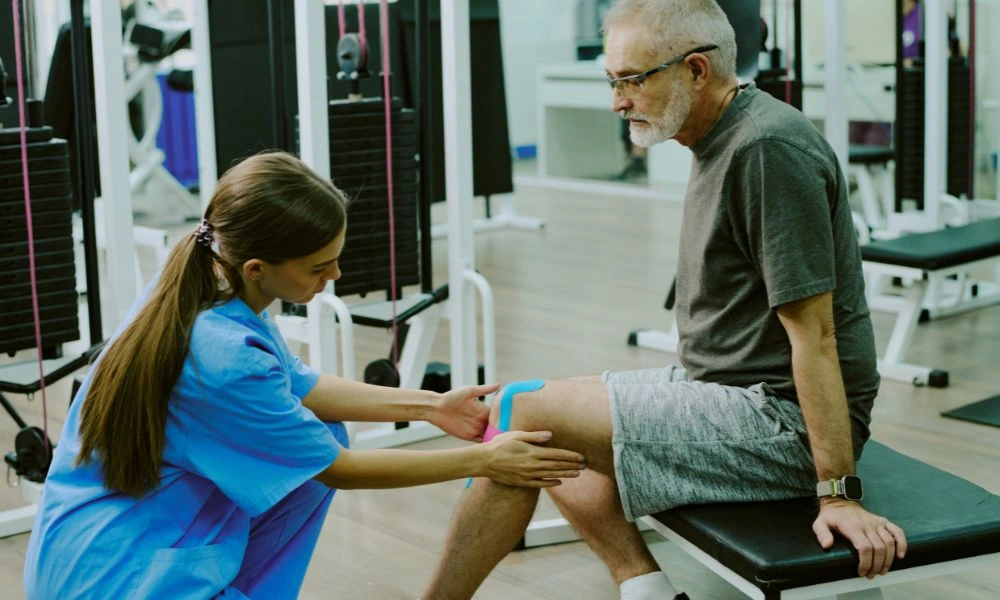
What to Expect From Knee Stiffness Treatment
Treatment depends on the cause of stiffness. A healthcare professional may review your symptoms, examine the joint and recommend additional investigations when necessary.
Treatment options may include therapeutic exercises, activity modification, weight management, medication when appropriate, or further specialist assessment. People with osteoarthritis may benefit from a combination of strengthening exercises, movement guidance, and other individualised management strategies.
If you are looking for knee stiffness treatment near you, choose a provider who evaluates the underlying cause rather than focusing only on temporary symptom management.
The aim is to minimise loss of joint function and discomfort, and help you return to your usual activities safely. With the right care, many people can experience better movement and find greater relief from everyday knee stiffness.
How to Prevent Knee Stiffness in the Future
Although not every cause of knee stiffness can be prevented, healthy habits can support long-term joint function.
- Stay physically active with suitable activities such as walking, swimming, or stationary cycling.
- Avoid sitting continuously for long periods.
- Perform regular strengthening and flexibility exercises suited to your ability.
- Increase exercise intensity gradually instead of making sudden changes.
- Wear comfortable supportive footwear when appropriate.
- Follow professional advice if you have an existing knee condition or previous injury.
If your job requires extended desk work schedule short movement breaks throughout the day. Small routine adjustments can make it easier to keep moving without overdoing it.
Conclusion
Other causes of knee stiffness after sitting for long periods include Inactivity Muscle weakness, Osteoarthritis and Previous injuries or other joint conditions. While occasional stiffness may improve with gentle movement recurring symptoms deserve attention particularly when they affect walking or everyday activities.
Understanding the cause is the first step towards choosing suitable care. With a professional assessment, appropriate exercises and healthy daily habits, you can work toward better knee flexibility and mobility. If stiffness or discomfort continues, consult a qualified healthcare professional to discuss the most appropriate treatment for your needs.