Wet Cupping vs Dry Cupping: What Happens During Each Session?
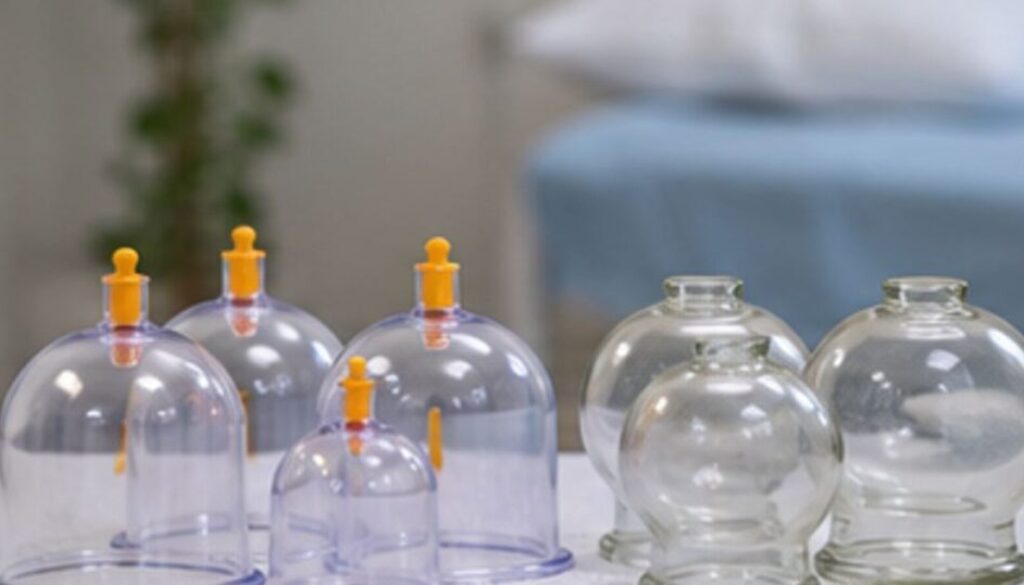
Wet and dry cupping both use suction cups, but the steps differ. Ask which method the practitioner is proposing and have them describe the session before you decide.
What happens in dry cupping
The practitioner applies suction to intact skin. Ask where cups would be placed and what temporary marks or discomfort you might notice afterward.
If you were offered cupping without being told which type, ask that question first. Knowing whether the skin would be broken helps you decide which hygiene and aftercare questions to raise.
What to ask during the consultation
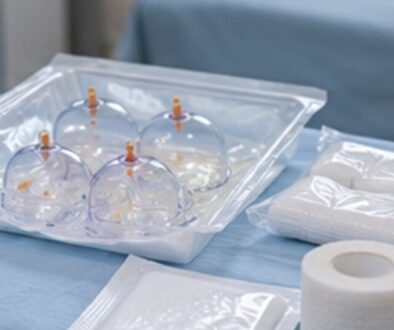
- What happens in wet cupping. Wet cupping involves breaking the skin. Ask about sterile single-use equipment and what the practitioner does to reduce the risk of bleeding and infection.
- What to discuss before either method. Share your health history, medicines and any skin concerns. Ask what the evidence says about your reason for considering cupping and discuss ongoing symptoms with an appropriate clinician.
- Ask about aftercare. Confirm what to expect after the appointment and who to contact if a problem develops. Get written dressing instructions if a procedure breaks the skin.
Common questions
Does dry cupping leave marks?
Temporary marks can occur. Ask the practitioner what to expect and when to seek advice.
Can I choose the method when I arrive?
Discuss the procedure, risks and your health history before agreeing to any treatment.
Planning a Hijama consultation in Ajman
Before booking, ask which type of cupping is being discussed and what the initial consultation covers. Visit Relief Medical Center’s Hijama Therapy in Ajman department page for clinic and booking details.
Further reading: NCCIH overview of cupping and its risks.