Hijama Therapy: What Happens During a Session, and Who Should Seek Medical Advice First?
Hijama therapy in Ajman is a traditional cupping treatment that some people consider for wellness and managing discomfort. Before booking a session, understand how the procedure works, its potential benefits, and the safety precautions to keep in mind. Hijama therapy in Ajman is a traditional cupping practice that some people explore as part of their personal wellness routine. Before booking a session, it is important to understand how the treatment works, what happens during an appointment, and which health conditions may require medical advice. Hijama, or wet cupping, involves placing cups on the skin to create a vacuum and, in some methods, making small superficial cuts to draw a limited amount of blood.
People looking for hijama treatment in Ajman usually want to know about the treatment, what benefits it can give and the precautions they should take. Although some individuals report relaxation or temporary relief from discomfort scientific evidence supporting many claimed benefits remains limited. Therefore understanding the process and discussing individual health concerns with a qualified healthcare professional can help people make informed decisions.
What Is Hijama Therapy and How Does It Work?
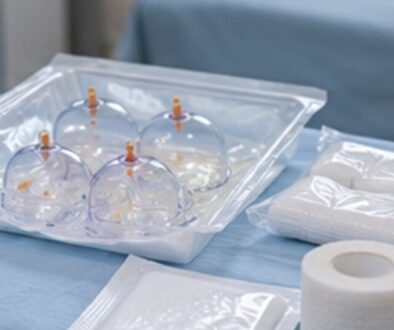
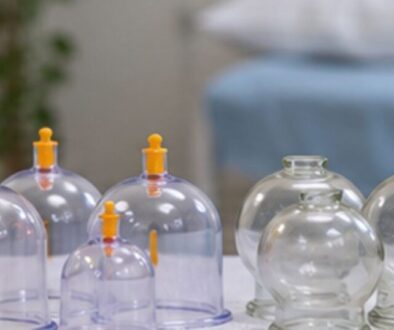
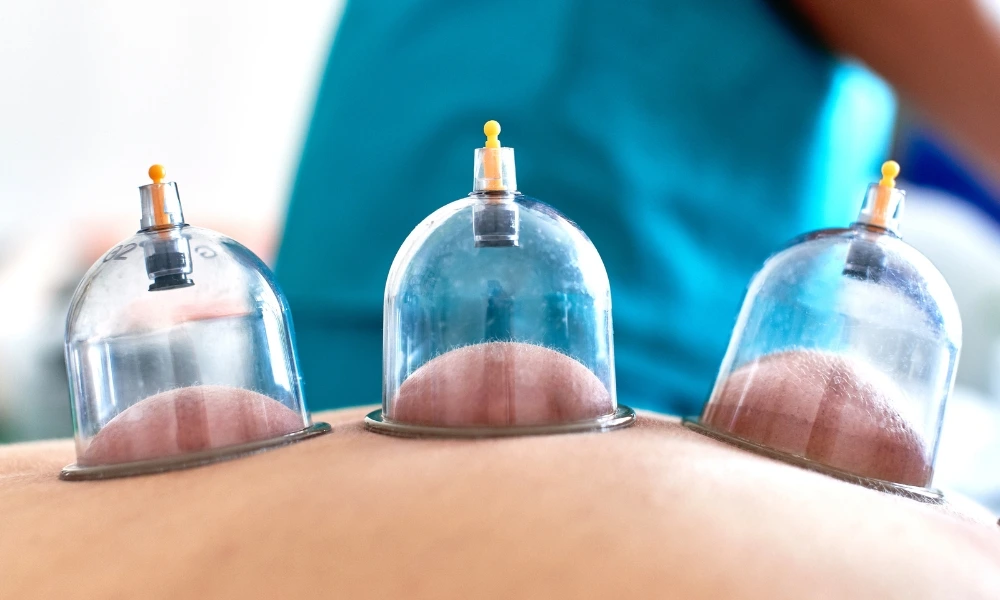
Hijama is a traditional therapy that uses suction cups placed on selected areas of the body. Practitioners commonly describe two main forms: dry cupping and wet cupping. Dry cupping creates suction without breaking the skin whereas wet cupping involves superficial skin incisions followed by suction.
During Hijama therapy in Ajman the exact procedure may vary based on the practitioner’s approach the treatment area, and the individual’s health history. A trained practitioner should explain the method before starting and obtain informed consent.
Suction can cause temporary redness, circular marks, tenderness or bruising. Wet cupping carries additional risks because it breaks the skin barrier. These include bleeding, infection, scarring, and particularly with repeated procedures, iron-deficiency anaemia.
Hijama should not replace medical diagnosis or evidence-based treatment for an existing health condition.
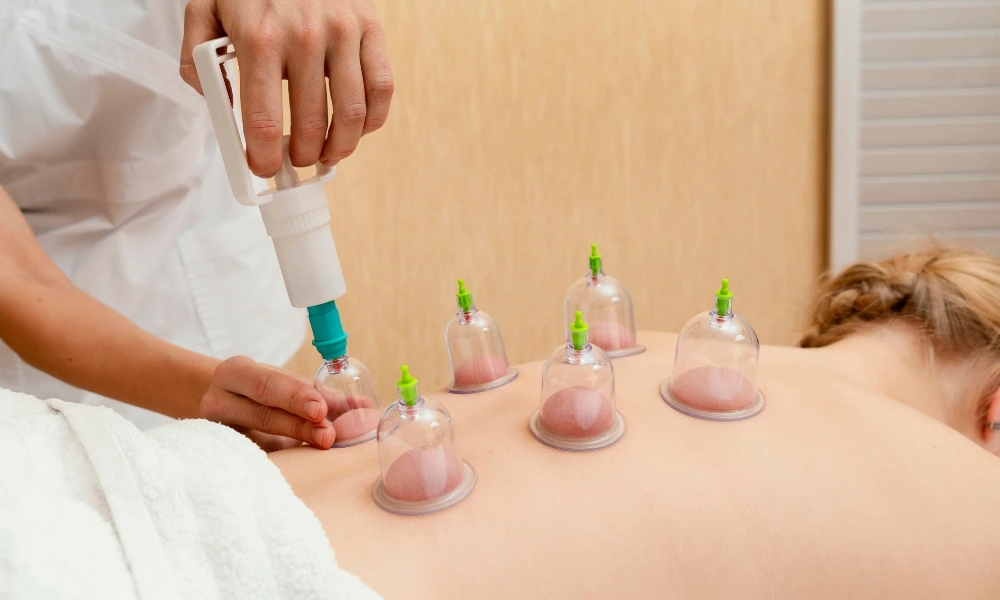
What Happens During a Hijama Treatment Session?
Understanding each stage can make the appointment less unfamiliar, especially for someone considering hijama treatment in Ajman for the first time.
1. Initial Consultation and Health Assessment
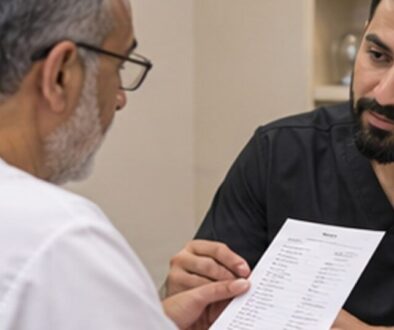
The practitioner will inquire about your current symptoms medical history, allergies, medications and past cupping experience. They should also explain the expected procedure possible side effects and available alternatives.
Tell the practitioner if you take blood-thinning medication, have a bleeding disorder, experience frequent dizziness or have a condition that affects wound healing. This information helps identify potential risks before treatment begins.
2. Preparing the Treatment Area
The practitioner selects the appropriate treatment area after discussing your concerns and obtaining consent. The skin should be checked for wounds, irritation, infection or other problems.
Wet cupping requires strict hygiene. The practitioner must use appropriate skin antisepsis sterile single-use blades or lancets and suitable protective equipment. Blood-contaminated materials must be handled and discarded safely.
3. Applying the Cups
The practitioner then places the cups on the chosen areas and creates a vacuum. You may feel a pulling sensation or tightness on the skin. The cups should remain in place only for an appropriate period depending on the method used.
If the sensation becomes painful or you feel faint, dizzy or unwell, inform the practitioner immediately. Never continue treatment simply because discomfort is expected.
4. The Wet Cupping Procedure
If you choose wet cupping, the practitioner removes the cups and makes small, superficial cuts using sterile, single-use equipment. The cups are then reapplied to draw a limited amount of blood.
Because this method breaks the skin it carries risks that dry cupping does not. Anyone considering it should understand the potential for infection, prolonged bleeding, and scarring before agreeing to the procedure.
5. Cleaning and Aftercare
After the cups are removed the practitioner should clean the area, control any bleeding and apply an appropriate dressing. You should receive clear instructions about wound care, bathing, physical activity, and signs of infection.
For anyone considering Hijama therapy in Ajman, proper aftercare is just as important as the procedure itself. Seek medical attention if you develop increasing redness, warmth, swelling, pus, fever, persistent bleeding or worsening pain.
What Are the Potential Benefits of Hijama Treatment?
The benefits of hijama treatment depend on the individual the method used, and the reason for seeking care. Some people report temporary relaxation or changes in how they perceive muscle discomfort after cupping. However, research remains limited, and the evidence does not establish that hijama reliably treats most medical conditions.
Possible Areas of Interest
- Temporary muscle discomfort: Some people use cupping alongside other approaches to managing muscular pain although evidence for lasting benefits remains uncertain.
- Relaxation: The treatment setting and experience may feel relaxing to certain individuals.
- Traditional wellness practices: Some people choose hijama because it forms part of their cultural or personal wellness traditions.
- Complementary care: When appropriate cupping may be discussed as an additional practice alongside conventional healthcare rather than as a replacement.
Do not exaggerate the benefits of hijama treatment. Reliable evidence is insufficient to claim that it removes toxins from the body, cures chronic diseases or improves everyone’s health. First, talk to a healthcare professional about your symptoms before relying on any complementary treatment.
Who Should Seek Medical Advice Before Hijama?
Not everyone is a suitable candidate for wet cupping. A medical assessment is particularly important for people with certain conditions or risk factors.
People Taking Blood-Thinning Medication
Some antiplatelet drugs and anticoagulants can raise the risk of bleeding. Anyone taking these medications should consult the prescribing clinician before considering wet cupping. Do not stop prescribed medication to undergo a session.
People With Anaemia or Bleeding Disorders
Wet cupping removes blood and can worsen anaemia particularly when sessions are repeated. People with clotting disorders low platelet counts, or a history of unexplained bleeding should obtain medical advice first.
People With Diabetes or Poor Wound Healing
Diabetes, circulation problems and certain immune conditions can cause infection or slow healing. A clinician should assess whether the procedure is appropriate, especially if the skin is fragile or sensation is reduced.
Pregnant People and Those With Chronic Illnesses
Pregnant individuals and people managing heart disease, kidney disease, significant liver disease or other complex medical conditions should discuss cupping with their healthcare provider before proceeding.
People With Skin Conditions or Active Infections
Avoid placing cups over open wounds, burns, infected skin or areas affected by active skin disease. A qualified clinician can advise whether to postpone or avoid treatment.
Children, older adults who are medically vulnerable, and people who frequently faint should also receive appropriate medical guidance before considering wet cupping.
How to Choose a Hijama Practitioner in Ajman
When researching hijama treatment near you look beyond convenience or promotional claims. A safe service should prioritise hygiene, informed consent and a clear understanding of your medical history.
Before booking, check the following:
- The practitioner has appropriate training and any required local authorisation.
- The facility follows applicable health and infection-control regulations.
- Sterile, single-use equipment is used whenever the skin is broken.
- The practitioner explains risks, contraindications and aftercare.
- The service does not promise guaranteed cures or encourage you to stop medical treatment.
If you are comparing providers offering Hijama therapy in Ajman, ask questions about the procedure, the equipment used, and the measures taken to prevent infection. A responsible practitioner should welcome these questions and recommend medical assessment when necessary.
Conclusion
Hijama is a traditional cupping practice that requires careful consideration, especially when the procedure involves blood removal. Knowing what happens during an appointment, understanding the limitations of current evidence and identifying medical risk factors can help you make a safer decision.
If you are searching for Hijama therapy in Ajman or looking into hijama treatment in Ajman, prioritise qualified practitioners, proper infection control, and honest explanations of potential outcomes. Most importantly, seek medical advice first if you have a chronic illness, take blood-thinning medication, have anaemia or experience problems with bleeding or wound healing. An informed approach helps you assess whether this complementary practice suits your circumstances.