Bloating After Eating: What to Track Before Your GP Visit
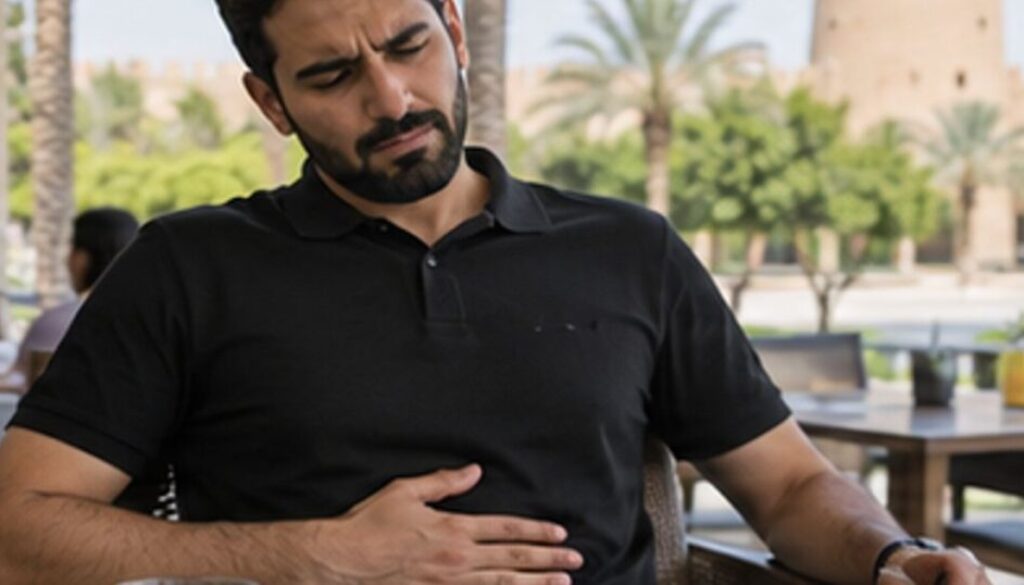
A waistband that feels tight after lunch can be easy to dismiss. When bloating after eating becomes a regular part of your day, a brief record can help you explain what has changed.
Record the delay after meals
Write down what you ate and when the feeling began. It may be more useful to know whether discomfort started right away or later in the afternoon than to remember every ingredient.
If two lunches leave you feeling different, write both down before drawing a conclusion. Compare the timing, portion, pace of eating and any symptoms later that day. Bring the record to the appointment.
What to discuss with your GP
- Distinguish the sensations. Tell your GP whether you feel full early, notice visible swelling, or have cramping. Record any change in bowel habits and whether the discomfort settles after passing stool or wind.
- Keep your normal routine visible. Include meals when you felt comfortable too. That gives the clinician a point of comparison. Mention medicines, supplements or a recent change in eating habits rather than removing many foods before your appointment.
- Know when to arrange a review. Contact your GP about regular or persistent bloating, especially with unintentional weight loss or blood in your stool. Sudden severe abdominal pain needs urgent assessment.
Common questions
How much detail should a meal diary include?
Start with meal time, main foods and the time symptoms began. Add a note about bowel changes if relevant.
Should I bring up symptoms on days I skip a meal?
Yes. The timing can help your GP understand whether the symptoms are consistently linked to eating.
Planning a GP appointment in Ajman
For your GP visit in Ajman, keep any relevant records and a few notes about the change you want to discuss. Visit Relief Medical Center’s General Practitioner in Ajman department page for clinic and booking details.
Further reading: NHS guidance on bloating.